Embedded Reading

Simplify, Scaffold, Succeed!!

Every Day….in conjunction with Film English

In my travels today, I came across this wonderful site by Kieran Donaghy  :  Film English.  It is a wonderful companion to Movie Talk!

The following is an Embedded Reading to go along with this May 11, 2013 post:

(Spoiler alert!  The last line is important and about 45 seconds before the end the woman appears in a bra…preview before using with non-adult classes)

It’s a lovely piece, and very timely for us at this time of year.  The video, and the reading are in English.   It could absolutely be done without sound and by translating the reading below.

The video, in English, is actually a very cool conversation between a man and a woman.  The reading is directed to the viewer and is directly correlated, using most of the same vocabulary and structures.  It is a bit different than the narration-type readings posted in the past.    See what you think!

Base reading

Imagine……one extra day.   Think about it.  What would you do?

Would you sleep in?

Would you go to the gym?

Would you visit someone?

Would you get things done?

Would you read a book?

Would you sit in the tub?

Would you talk to people?

Would you straighten out your life?

Would you share it with friends?

What would you call this EXTRA day?

Version 2

Imagine that there is one extra day in the week, without responsibilities.   Think about the possibilities.   Would you travel?  You would just have a day.

Would you just sleep in late?   Would you spend time at the gym?  Would you visit someone you don’t get to see?

Would you work and get things done?   Would you curl up with a book?  Would you spend some time in the tub?

Would you tell more people that you like them?  Would you use the time to straighten out your life a bit?

Would it take you a day to decide how to use it?  Would you share it with some friends?

What would you call it?  A name that captures the potential?   Would you just call it the EXTRA day?

Version 3

Imagine that there is one extra day in the week.   Think about the possibilities.  One extra day, without responsibilities?  Would you travel?  It couldn’t be far.  You would only have one day.

Would you just sleep in late and enjoy it?   (Or would that be a waste?)  Would you spend a little extra time at the gym?  ( Do you even like the gym? ) Would you visit someone you care about, but don’t often get to see?

Would you work a few hours and get everything done?   Would you curl up with a book that you love?  Would you spend some time in the tub?

What would you pay more attention to?  Would you take the time to tell more people that you like them?  Would you use the time to get organized and straighten out your life a bit?

Or would it take you the entire day to decide how to use it?  Would you drink a little wine, maybe share it with some friends?

If you had this day…would you want it to have a special name?  A name that captures all of the potential?   Would you call it the EXTRA day?  Or maybe the SPECIAL day?

Version 4

Imagine that there is one extra day in the week.   Think about the possibilities.  One extra day, without responsibilities.  Would you be able to travel?  It couldn’t be far.  You would only have one day.

Would you just sleep in late and enjoy it?  (Or would that be a waste?)  Would you spend time at the gym?   (Do you even like the gym enough to do that?)  Would you visit someone you care about, but don’t often get to see?  Would only one day be enough?

Would you work a few extra hours and for once, get everything done?   Would you curl up with a book that you love, or perhaps one that you haven’t yet read?  Would you spend some time in the tub?

What would you pay more attention to?  Would you take the time to tell more people that you like them?  (Or would that just be weird? ) Would you use the time to get organized, fix things and straighten out your life a bit?  Or would you want to do something better on this extra day?

Or would it take you the entire extra day to decide how you would use it?  Would you find time to taste delicious wine, maybe share it, the wine and the day, with some special friends?

If you had this day, if it existed…what would you call it?   Would you want it to have a special name?  A name that captures all of the potential?  All of the possibilities?  Would you call it the EXTRA day?  Or maybe the UNIQUE day?  What about the SPECIAL day?

Then again…why not just call it….EVERYDAY?


All content of this website © Embedded Reading 2012-2014 or original authors.  Unauthorized use or distribution of materials without express and written consent of the owners/authors is strictly prohibited.   Examples and  links may be used as long as clear and direct reference to the site and original authors is clearly established.
El Hombre de Globos and Paperman

Eric has sent another reading that he used as a parallel story for the short film “Paperman.”  Here is a link to Bryan Krandel’s blog piece on Paperman.

Enjoy!!!

Hay un hombre.

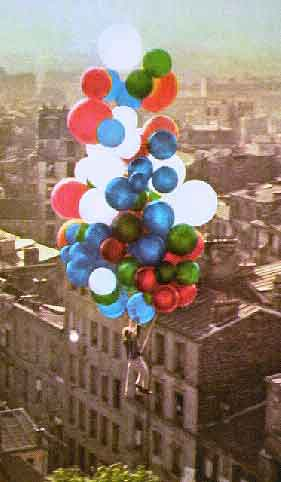
El hombre tiene globos.

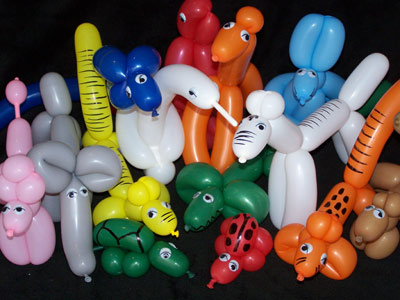
Hace figuras de animales con los globos.

Pasa un globo enfrente del hombre.

Una mujer corre al globo.

La mujer atrapa el globo y camina al hombre.

Al hombre le gusta la mujer.

La mujer se va en el bus.

El hombre está triste.

Camina a su casa.

Mira arriba y mira la mujer en una oficina.

El hombre hace figuras con los globos.

La mujer no mira los globos.

La mujer se va de la oficina.

El hombre está frustrado.

Hay muchos globos y los globos representan muchos animales diferentes.

Los animales corren al hombre.

El perro corre a la mujer.

La mujer entra al bus con el perro.

El hombre y la mujer se miran.

EL FIN

Hay un hombre.

El hombre tiene globos.

Es un payaso.

Hace figuras de animales con los globos.

El hombre está en el parque.

Pasa un globo enfrente del hombre.

Una mujer corre al globo.

La mujer atrapa el globo y camina al hombre.

La mujer es bonita.

El hombre mira la mujer.

Al hombre le gusta la mujer.

El aire levanta un globo que tiene la forma de un perro.

El globo le pega a la mujer en la cabeza.

La mujer se ríe.

Se ríe porque la boca de la mujer está en el globo.

El hombre mira el globo y se ríe.

La mujer se va en el bus.

El hombre está triste.

Camina a su casa.

Mira arriba y mira la mujer en una oficina.

El hombre necesita una idea.

El hombre hace figuras con los globos.

El hombre hace un perro y el aire levanta el globo.

El globo pasa enfrente de la oficina de la mujer.

La mujer no mira el globo.

El hombre hace otras figuras con los globos.

La mujer no mira los globos.

El hombre tiene un globo más.

Es el globo que tiene la boca de la mujer.

Por accidente, el globo se le escapa del hombre.

La mujer se va de la oficina.

El hombre está frustrado.

El globo con la forma de un perro flota a los otros globos.

Hay muchos globos y los globos representan muchos animales diferentes.

Hay globos que tienen la forma de perros, de jirafas, de ratones, y de elefantes.

¡Los globos están vivos!

Los animales corren al hombre.

Los animales le obligan al hombre que entre al bus.

El perro que tiene la boca de la mujer corre a la mujer.

La mujer quiere atrapar el perro.

La mujer entra al bus con el perro.

El hombre y la mujer se miran.

EL FIN

Hay un hombre. El hombre es alto. Tiene 30 años. Tiene pelo castaño y ojos cafés. El hombre tiene globos. Hace figuras de animales con los globos. El hombre está en el parque. Trabaja en el parque. Hace sol. Pasa un globo enfrente del hombre. Es el globo de una mujer. Una mujer corre al globo. La mujer atrapa el globo y camina al hombre. La mujer es bonita. Tiene 28 años. Es baja. Tiene pelo rubio y ojos azules. El hombre mira a la mujer. Al hombre le gusta la mujer. El aire levanta un globo que tiene la forma de un perro. El aire lleva el globo. El globo le pega a la mujer en la cabeza. Le pega en la cara. La mujer se ríe. Se ríe porque la boca de la mujer está en el globo. El hombre mira el globo y se ríe. La mujer se va en el bus.

gl5

El hombre está triste. Quiere hablar con la mujer. Quiere invitarla a comer. Camina a su casa. Mira arriba y mira la mujer en una oficina. La mujer está trabajando. El hombre necesita una idea. El hombre hace figuras con los globos. El hombre hace un perro y el aire levanta el globo. El globo pasa enfrente de la ventana de la oficina de la mujer. La mujer está ocupada. La mujer no mira el globo. El hombre hace otras figuras con los globos. El hombre permite que el aire lleve los globos para arriba. La mujer no mira los globos. El hombre tiene un globo más. Es el globo especial porque tiene la boca de la mujer. Por accidente, el globo se le escapa del hombre. La mujer termina su trabajo y se va de la oficina. El hombre está frustrado.

El globo con la forma de un perro flota a los otros globos. Hay muchos globos y los globos representan muchos animales diferentes. Hay globos que tienen la forma de perros, de jirafas, de ratones, y de elefantes. El globo del perro se mueve. El globo del perro comienza a bailar. Todos los globos comienzan a bailar en un círculo. ¡Los globos están vivos! Los animales buscan el hombre y lo encuentran. El hombre va caminando y los animales lo persiguen. Los animales corren al hombre. Los animales le pegan en las piernas del hombre. El hombre resiste, pero los animales tienen más fuerza que el hombre. Los globos lo llevan. Los animales le obligan al hombre que entre al bus. El perro que tiene la boca de la mujer busca la mujer y la encuentra. Corre a la mujer. La mujer persigue el perro. La mujer quiere atrapar el perro. Lo persigue y la mujer entra al bus con el perro. La mujer se baja del bus. El hombre se baja del otro bus. El hombre y la mujer se miran. Los globos de animales ayudaron para que se encontraran.

gl1

EL FIN


All content of this website © Embedded Reading 2012-2014 or original authors.  Unauthorized use or distribution of materials without express and written consent of the owners/authors is strictly prohibited.   Examples and  links may be used as long as clear and direct reference to the site and original authors is clearly established.
El Canguro No Tira Bien por Eric H.

Here is an adorable story sent by Eric Herman.   Thank you so much Eric!!  (Eric used this with his elementary classes, but it can work at any beginning level!)

Hay un chico.

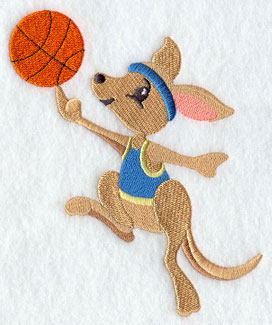
El chico es un canguro.

Se llama Oscar.

El canguro juega mucho básquetbol.

Oscar tiene un problema.

Salta muy alto, pero no tira bien.

Oscar tiene un profesor que es delfín.

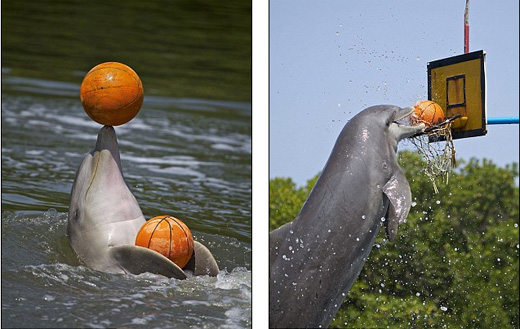
El profesor delfín le dice que tiene que practicar tirando la pelota con la cabeza.

El viernes, en clase, hay una competencia de tiros.

Oscar está nervioso, porque hay muchos delfines en su clase.

cangaru

Hay un chico. El chico es un canguro. Se llama Oscar. Oscar es un canguro muy atlético. El canguro juega mucho básquetbol. Con las piernas salta mucho. Salta muy alto.

Oscar tiene un problema. Salta muy alto, pero no tira bien. Tira mal, porque tiene manos pequeñas.

Oscar quiere jugar básquetbol en la escuela. Oscar tiene un profesor que es delfín. Los delfines son muy buenos para el básquetbol en el agua, porque los delfines saltan y tiran muy bien. El profesor delfín le dice que tiene que practicar tirando la pelota con la cabeza.

Practica todos los días a las 3 de la tarde. El viernes, en clase, hay una competencia de tiros. Oscar está nervioso, porque hay muchos delfines en su clase. Todos están sorprendidos cuando Oscar no toca la pelota con las manos. Los otros animales se ríen de él.

d1

Hay un chico. El chico es un canguro. Se llama Oscar. Oscar es un canguro muy atlético. El canguro juega mucho básquetbol. Tiene piernas muy grandes y fuertes. Con las piernas salta mucho. Salta muy alto.

Oscar tiene un problema. Salta muy alto, pero no tira bien. Tira la pelota de básquetbol, pero no hace muchos goles. Tira mal, porque tiene manos pequeñas.

Oscar quiere jugar básquetbol en la escuela. Oscar tiene un profesor que es delfín. Los delfines son muy buenos para el básquetbol en el agua, porque los delfines saltan y tiran muy bien. El profesor delfín le dice que practique tirando la pelota con la cabeza.

Practica todos los días a las 3 de la tarde. El viernes, en clase, hay una competencia de tiros. Oscar está nervioso, porque hay muchos delfines en su clase. Todos están sorprendidos cuando Oscar no toca la pelota con las manos. Los otros animales se ríen de él. Pero ahora, Oscar es el mejor tirador. ¡Gana la competencia!

El canguro tiene manos pequeñas, pero no importa. Salta y tira bien. Ahora, el canguro aspira jugar en la liga profesional de básquetbol. Tal véz, un día . . .


All content of this website © Embedded Reading 2012-2014 or original authors.  Unauthorized use or distribution of materials without express and written consent of the owners/authors is strictly prohibited.   Examples and  links may be used as long as clear and direct reference to the site and original authors is clearly established.
Hello SS TESOL !!!

Welcome to Embedded Reading!!!   Demo PowerPoints are available in the categories to the right.  Please send any questions you have or how Embedded Reading works for you.    If you would like to share you may send your readings to lclarcq@yahoo.com. Thank you so much for being an amazing part of your students’ world.


All content of this website © Embedded Reading 2012-2014 or original authors.  Unauthorized use or distribution of materials without express and written consent of the owners/authors is strictly prohibited.   Examples and  links may be used as long as clear and direct reference to the site and original authors is clearly established.

“Best Idea Ever” English version

Here is the English version.  Thanks again Tana Krohn for sharing your work and your ideas!  (look for her ideas after the readings!)

English #1:

There is a man. His name is Sir Newton. Sir Newton is under a tree. An apple falls on his head. Sir Newton studies the apple. He studies more apples. He has an idea.

Sir Newton makes pies with the apples. He wants to sell the pies. No one wants the pies. Sir Newton is sad.

There is a bird. The bird poops on Sir Newton. Sir Newton has another idea!

English #2:

In a town there is a man. His name is Sir Newton. Sir Newton is under a tree. He is under a tree when an apple falls on his head. Sir Newton looks at the apple. He looks at the tree. He looks at the apple. He looks at the tree. He looks at the apple and throws it in the air. He studies more apples… and has an idea! He runs to the town with a lot of apples.

Sir Newton makes a lot of pies with the apples. He wants to sell the pies. No onw wants the apple pies. Sir Newton is sad. He throws an pie on the ground. Suddenly, a bird poops on his head. He looks at the bird…. and has another idea!

English #3:


There is a town where the weather is good. It’s sunny and cool. It’s fall. In the town there is a man. His name is Sir Newton. Sir Newton is tall and thin and has white hair (truly he has a white wig).

Sir Newton is under a tree. He has a telescope and five books. He is under a tree when an apple falls on his head. Sir Newton is confused. He looks at the apple. He looks at the tree. He looks at the apple. He looks at the tree. He takes the apple ant throws it in the air. He studies more apples. He eats the apple… and has an idea! He runs to the town with a lot of apples.

Sir Newton makes apple pies! He likes apple pies. He makes a lot because he wants to sell the pies. Unfortunately, no one wants the apple pies. Sir Newton is sad. He throws a pie on the ground.

Suddenly, a bird poops on his head. Sir Newton is confused. He looks at the bird… and has another idea! He makes wings in order to fly!

This tied in nicely with the kids’ current physics unit!
In addition to the readings, I also had students complete some of the following activities:
1)  Add their own details to the story based on known vocabulary:  weather, season, colors, physical/personality descriptions of characters, etc.
2)  Write their own True/False statements about the story.
3)  Give them a pre-quiz and “quiz” on the story based on their own true/false statements.
4)  Illustrate a scene from the story. Have the kids exchange drawings and write the a sentence about someone else’s drawing. I had other activities I wanted to do around these drawings…. Have students walk around the room and write sentences about multiple drawings of their choice (each drawing has a number and students write down the numbers of the drawings that hey write about). There is also a fun activity that involves drawing a picture and passing it to the next person who has to write a sentence about the drawing. Then you fold the first drawing down and have the third person illustrate the second person’s sentence. I’ve this at parties, but haven’t tried it in class yet.
Much of the vocabulary in this story (included and omitted) was obviously based on what I know my students know. You will definitely want to tailor it to your own students’ needs!

All content of this website © Embedded Reading 2012-2014 or original authors.  Unauthorized use or distribution of materials without express and written consent of the owners/authors is strictly prohibited.   Examples and  links may be used as long as clear and direct reference to the site and original authors is clearly established.

“Best Idea Ever” Spanish Version

A fantastic contribution from Tana Krohn.  Thank you so much Tana!! (The English version will post next.)
An embedded reading exercise based on Arpan Jolly’s animation:

“Best Idea Ever”

This tied in nicely with the kids’ current physics unit!
In addition to the readings, I also had students complete some of the following activities:
1)  Add their own details to the story based on known vocabulary:  weather, season, colors, physical/personality descriptions of characters, etc.
2)  Write their own True/False statements about the story.
3)  Give them a pre-quiz and “quiz” on the story based on their own true/false statements.
4)  Illustrate a scene from the story. Have the kids exchange drawings and write the a sentence about someone else’s drawing. I had other activities I wanted to do around these drawings…. Have students walk around the room and write sentences about multiple drawings of their choice (each drawing has a number and students write down the numbers of the drawings that hey write about). There is also a fun activity that involves drawing a picture and passing it to the next person who has to write a sentence about the drawing. Then you fold the first drawing down and have the third person illustrate the second person’s sentence. I’ve this at parties, but haven’t tried it in class yet.
Much of the vocabulary in this story (included and omitted) was obviously based on what I know my students know. You will definitely want to tailor it to your own students’ needs!

La mejor idea #1

Hay un hombre. Se llama Señor Newton. Señor Newton está bajo un árbol. Una manzana se cae en su cabeza. Señor Newton estudia la manzana. Estudia más manzanas. Tiene una idea.

Señor Newton hace tartas con las manzanas. Quiere vender las tartas. Nadia quiere las tartas. Señor Newton está triste.

Hay un pájaro. El pájaro hace popó en Señor Newton. ¡Señor Newton tiene otra idea!

La mejor idea #2

En un pueblo hay un hombre. Se llama Señor Newton. Señor Newton está bajo un árbol. Está bajo un árbol cuando una manzana se cae en su cabeza. Señor Newton mira a la manzana. Mira al árbol. Mira a la manzana. Mira al árbol. Mira a la manzana y la tira en el aire. Estudia más manzanas… ¡y tiene una idea! Corre al pueblo con muchas manzanas.

Señor Newton hace muchas tartas con las manzanas. Quiere vender las tartas. Nadie quiere las tartas de manzana. Señor Newton está triste. Tira una en el suelo. De repente, un pájaro hace popó en su cabeza. Mira al pájaro… ¡y tiene otra idea!

La mejor idea #3

Hay un pueblo donde hace buen tiempo. Hace sol y hace fresco. Es el otoño. En el pueblo hay un hombre. Se llama Señor Newton. Señor Newton es alto y delgado y tiene pelo blanco (realmente tiene una peluca blanca).

Señor Newton está bajo un árbol. Tiene un telescopio y cinco libros. Está bajo un  árbol cuando una manzana se cae en su cabeza. Señor Newton está confundido. Mira a la manzana. Mira al árbol. Mira a la manzana. Mira al árbol. Toma la manzana y la tira  en el aire. Estudia más manzanas. Come la manzana… ¡y tiene una idea! Corre  al pueblo con muchas manzanas.

¡Señor Newton hace tartas de manzana! Le gustan tartas de manzana. Hace muchas porque quiere vender las tartas.  Desafortunadamente, nadie quiere las tartas  de manzana. Señor Newton está triste. Tira una tarta en el suelo.

De repente, un pájaro hace popó en su cabeza. Señor Newton está confundido. Mira al pájaro… ¡y tiene otra idea! ¡Hace alas para volar!


All content of this website © Embedded Reading 2012-2014 or original authors.  Unauthorized use or distribution of materials without express and written consent of the owners/authors is strictly prohibited.   Examples and  links may be used as long as clear and direct reference to the site and original authors is clearly established.

La Prodigiosa Tarde de Baltazar from Mike Peto

Below is an amazing collection of work from a very generous teacher.   In this blog post, Mike Peto shares his work and his insights.  From Mike Peto’s blog:

“Embedded readings helped me scaffold this story:

I have always loved this story by García Márquez but, until now, I never quite managed to find the right approach to teaching it. This is such a delight to read and discuss, yet the high-level vocabulary threatens to derail the conversation from the interesting ideas presented in the story to incomprehensible trivia (i.e. what are the “eaves” of a house, and why do i need to know that word in Spanish?). Here is how I approached this story for my AP language class:”

You can find the rest of his post….the Embedded Readings…and much more here on Mike’s blog.

When I asked Mike if I could post his piece here he sent this response: ” Of course! It was a lot of work, I´d like as many people as possible to benefit 🙂

Thank you so much Mike!!


All content of this website © Embedded Reading 2012-2014 or original authors.  Unauthorized use or distribution of materials without express and written consent of the owners/authors is strictly prohibited.   Examples and  links may be used as long as clear and direct reference to the site and original authors is clearly established.

Epilogue Casi Se Muere

Below is the epilogue that Andrea Bush (Marcus Whitman HS, Rushville, N.Y.)  created with the help of her students.  (see previous post) Casi Se Muere is one of the novels written by Blaine Ray for emerging readers in Spanish.     This story, entitled,  One Year Later, is the epiloque written by Andrea’s students.    The idea of the story is that one year later, Ana (main character-student from California) returns to the city of Temuco, Chile where she had been a participant in an exchange program.  (Storyline of Casi Se Muere).  While she is there the first time, she saves the life of a student and they become interested in each romantically.

The idea of “one year later”  worked beautifully for repetitions!!!   At the end of the novel, the community was celebrating Independence Day.  When she returns a year later,  it’s Independence Day again!  Because of this,  Andrea was able to have the students reuse scenarios and structures from the book to create the reading.

Andrea also encouraged them to recycle other events (and therefore vocabulary and structures) from the novel in creating the story.   At the same time, they were asked to create a NEW situation or scenario.    What a great example of an upper-level task!

Below is Andrea’s 4th period class’ epilogue…first in Spanish and then in English so that those of you who do not read in Spanish can enjoy.    Thanks for sharing Andrea!!

Un Año Después

Base Reading

Un año después, Ana regresa a Chile.

Ana va a la escuela, y se siente muy feliz porque Teresa está en la escuela también.

¡Ana ve a Pepe Ayala!  Otra vez, ¡Pepe no puede tomar aire!  Ana pone los brazos alrededor de Pepe y presiona muy fuerte.  Un pedazo de empanada sale de la boca.

Ana mira a Pepe y Teresa.  De repente, Pepe la da un beso a Teresa.  Ana grita “¿QUÉ?” y se siente muy enojada.

Ana quiere ir a una de las fiestas para celebrar el 18 de septiembre.  Ana decide ir a la fiesta de Jaime porque está enojada con Teresa y Pepe.

Ana está sorprendida que le gusta pasar tiempo con Jaime.  Después de dos días, Ana no se siente enojada.

Después de dos semanas, Ana vuelve a California.

Version 2

Un año después, Ana regresa a Chile.  Primero, Ana va a la casa de Teresa, pero Teresa no está allí.

Ana va a la escuela, y se siente muy feliz porque Teresa está en la escuela también.  Ana habla con Teresa.

Ana y Teresa van al parque. ¡Ana ve a Pepe Ayala!  Ana grita, “¡Hola!” y camina hacia él. Otra vez, ¡Pepe no puede tomar aire!  Ana pone los brazos alrededor de Pepe y presiona muy fuerte.  Un pedazo de empanada sale de la boca.

Ana mira a Pepe y Teresa.  Algo es diferente, de repente, Pepe le da un beso a Teresa.  Ana grita “¿QUÉ?” y se siente muy enojada.

Ana quiere ir a una de las fiestas para celebrar el 18 de septiembre.  Ana decide ir a la fiesta de Jaime porque está enojada con Teresa y Pepe.

Ana está sorprendida que le gusta pasar tiempo con Jaime.  Ana piensa mucho en Jaime. Están enamorados.  Después de dos días, Ana no se siente enojada.

Después de dos semanas, Ana vuelve a California.

Version 3

Un año después, Ana regresa a Chile.  Ana llega en Temuco.  Primero, Ana va a la casa de Teresa, pero Teresa no está allí.

Ana está emocionada por ver a sus amigos porque tiene ropa nueva. Va a la escuela, y se siente muy feliz porque Teresa está en la escuela también.  Ana habla con Teresa.

Ana y Teresa van al parque.  De repente, Ana ve a una persona que conoce.  ¡Ana ve a Pepe Ayala!  Ana grita, “¡Hola!” y camina hacia él. Pero, Pepe tiene un problema.  Otra vez, ¡Pepe no puede tomar aire!  Ana pone los brazos alrededor de Pepe y presiona muy fuerte.  Un pedazo de empanada sale de la boca.  Cae al suelo.  Pepe dice, “Otra vez, estoy vivo gracias a tu buena acción.”

Ana quiere pasar tiempo con Pepe.  Ana mira a Pepe y Teresa.  Algo es diferente, y Teresa le da un abrazo fuerte a Pepe. De repente, Pepe le da un beso a Teresa.  Ana grita “¿QUÉ?” y se siente muy enojada.

Ana quiere ir a una de las fiestas para celebrar el 18 de septiembre.  Ana decide ir a la fiesta de Jaime porque está enojada con Teresa y Pepe.  Está enojada porque Pepe le dio un beso a Teresa. En la fiesta muchas personas comen empanadas y beben soda.

Ana está sorprendida que le gusta pasar tiempo con Jaime.  Ana está muy feliz, y piensa mucho en Jaime. Están enamorados.  Después de dos días, Ana no se siente enojada.  Está feliz porque Teresa y Pepe están felices juntos.

Después de dos semanas, Ana vuelve a California.

One Year Later

One year later, Ana returns to Chile.

Ana goes to school and feels very happy because Teresa is in school too.

Ana sees Pepe Ayala!!  Again, Pepe cannot breathe!  Ana puts her arms around Pepe and applies every strong pressure.  A piece of empanada flies out of his mouth.

Ana looks at Pepe and Teresa.  Suddenly, Pepe gives Teresa a kiss.  “What?!”, Ana shouts.  She feels very angry.

Ana is surprised that she likes to spend time with Jaime.  After two days, Ana doesn’t feel angry.

After two weeks, Ana returns to California.

Version 2

One year later, Ana returns to Chile.  First she goes to Teresa’s house, but Teresa isn’t there.

Ana goes to school and feels very happy because Teresa is in school too. Ana talks to Teresa.

Ana and Teresa go to the park.  Ana sees Pepe Ayala!!  Ana shouts, “Hello!” and walks toward him.  Again, Pepe cannot breathe!  Ana puts her arms around Pepe and applies every strong pressure.  A piece of empanada flies out of his mouth.

Ana looks at Pepe and Teresa.  Something is different.  Suddenly, Pepe gives Teresa a kiss.  “What?!”, Ana shouts.  She feels very angry.

Ana wants to go to one of the parties to celebrate September 18th.  She decides to go to Jaime’s party because she is angry with Pepe and Teresa.

Ana is surprised that she likes to spend time with Jaime.  They are in love.  After two days, Ana doesn’t feel angry.

After two weeks, Ana returns to California.

Version 3

One year later, Ana returns to Chile.  She arrives in Temuco.  First she goes to Teresa’s house, but Teresa isn’t there.

Ana is excited to see her friends because she has new clothes.  Ana goes to school and feels very happy because Teresa is in school too. Ana talks to Teresa.

Ana and Teresa go to the park.  All of a sudden, Ana sees a person that she knows.  Ana sees Pepe Ayala!!  Ana shouts, “Hello!” and walks toward him.  But Pepe has a problem!  Again, Pepe cannot breathe!  Ana puts her arms around Pepe and applies every strong pressure.  A piece of empanada flies out of his mouth.  It falls to the ground.  Pepe says,  “Again I am alive thanks to your good deed.”

Ana wants to spend time with Pepe.  Ana looks at Pepe and Teresa.  Something is different and Teresa gives Pepe a big hug.  Suddenly, Pepe gives Teresa a kiss.  “What?!”, Ana shouts.  She feels very angry.

Ana wants to go to one of the parties to celebrate September 18th.  She decides to go to Jaime’s party because she is angry with Pepe and Teresa.  She is angry because Pepe kissed Teresa.  At the party, many people eat empanadas and drink soda.

Ana is surprised that she likes to spend time with Jaime.  Ana is very happy and thinks about Jaime a lot.  They are in love.  After two days, Ana doesn’t feel angry.  She is happy because Pepe and Teresa are happy together.

After two weeks, Ana returns to California.


All content of this website © Embedded Reading 2012-2014 or original authors.  Unauthorized use or distribution of materials without express and written consent of the owners/authors is strictly prohibited.   Examples and  links may be used as long as clear and direct reference to the site and original authors is clearly established.

These Are The Guidelines

A gifted new teacher tried out Embedded Reading for the first time this week with great success.  Andrea gave her students a chance to write an Epilogue to a novel they had read.   She didn’t ask them to write the entire thing, just a piece of it.  She then combined all of the ideas from one class period to create an Embedded Reading in three levels for her students.    She discovered, like most people do, that the students do not get bored reading the “same” story several times!!    Their feed back to her was that it was exciting to know that a) they were going to understand each piece   b)  something new was going to be in each piece and c) something they had written would show up somewhere!

Then…she was able to repeat the reading pieces by switching fourth period’s reading with ninth period’s reading and they got double the input!!

Then….she could lead discussion comparing the two versions.

Her first foray into Embedded Reading was successful because she is a caring and gifted teacher who has worked hard to establish positive relationships with her students.   She also followed several important guidelines:

1.  Less is more.

The base reading was clean, minimal and right on point for the level of her class.  Every student was able to understand it.

Then, she added just enough detail to each succeeding reading that students were interested to discover more without being discouraged by the length or difficulty.

She also kept the reading to three versions: perfect for the reading level and the amount of time that these second-year students can stay focused.

2.   Variety is the key.

Andrea added a variety of items to the new levels.   Some words and phrases were short and highly familiar.   Others were more complex or contained less familiar vocabulary.   Information/language was added to the beginning and middle of each level, as well as to the end.

She made sure that each student had contributed to the final piece by taking at least one word, phrase or idea from each student.  (This isn’t as challenging as it seems…..)

The students approached each level differently.   There were verbal questions for one, illustrations for another, discussion for the third.   This is KEY to keeping students from feeling like they are doing the same thing over and over again.

3.    Teach  For  Success

Because Andrea had already laid a foundation for success with steps 1 and 2 above, she could approach the lesson with an extremely positive outlook.   This attitude spilled over into her students.  Because she had worked hard to create an atmosphere of trust, they were willing to address material that was progressively more challenging.

It doesn’t mean that the readings didn’t require advanced skills.  It doesn’t mean that some pieces weren’t challenging.  It means that despite increasing difficulty, the scaffolding created the opportunity for students to be highly successful and they believed that they could be.

4.  Open Doors for Students to Connect with the Text.

Obviously, being able to comprehend the text is the first, best way to connect students with what they are reading.  Without that, nothing else happens!!

This particular exercise allowed students to contribute as authors.   That is the beauty of creating a “Bottom Up” reading.   As authors, they are infinitely more interested in reading.

Even if the students had not authored the text, they had numerous opportunities to interact with the text on a personal level.    The story was a continuation of one that they were already familiar with.   The location, some details, and more importantly, the characters were familiar.   By illustrating, they were able to create their own visualization of the story.

They also made a number of observations about the piece that Andrea allowed them to “own” for themselves.   Their discovery of a story within a story made them feel as if they had uncovered a surprise created for them by their teacher.   After that, every new detail was like a new little gift that she had arranged just for them to unwrap.

Four simple guidelines that, when followed, help all of us to create and use Embedded Readings successfully with our students.


All content of this website © Embedded Reading 2012-2014 or original authors.  Unauthorized use or distribution of materials without express and written consent of the owners/authors is strictly prohibited.   Examples and  links may be used as long as clear and direct reference to the site and original authors is clearly established.


Embedded Storyboard 100th post!!

It’s quite fitting that this, the 100th post, comes from the blog of Martina Bex, Michele Whaley’s Alaskan colleague.   Tomorrow we’ll post a corresponding chart that aligns with the Common Core strategies.   This is just brilliant.  Thank you Martina!

Click here : Embedded Storyboard

100


All content of this website © Embedded Reading 2012-2014 or original authors.  Unauthorized use or distribution of materials without express and written consent of the owners/authors is strictly prohibited.   Examples and  links may be used as long as clear and direct reference to the site and original authors is clearly established.

Post Navigation